
If your product could talk, it’d probably say, “Please don’t let me rattle around in a flimsy box.” Because between the factory floor and your customer’s doorstep, goods get lifted, stacked, shifted, wrapped, dropped (oops), stored, and shipped again. In other words, the supply chain is no place for half-hearted packaging.
For manufacturers, distributors, and e-commerce brands across Manchester and the surrounding areas, quality packaging isn’t just a finishing touch—it’s a frontline defence against damage, returns, delays, and unhappy customers. Let’s dig into what packaging really does across the supply chain, and how the right mix of materials—like bespoke packaging foam, corrugated boxes, and Protective Packaging Tape keeps everything tight, safe, and professional.
Packaging has three big jobs, and it needs to nail all of them:
When packaging fails, the knock-on effects can be brutal: damaged stock, wasted labour, courier claims, re-shipping costs, negative reviews, and lost repeat business. Quality packaging helps keep the whole operation humming, from warehouse pick to last-mile delivery.
A product typically faces risk at multiple points:
Items get moved from production lines to packing stations and storage. If the packaging doesn’t cushion or stabilise properly, damage can occur before shipping even begins.
Best-fit solutions include:
Warehouses are all about space. That means stacking. Packaging needs to hold its shape and protect under load.
Common go-tos:
This is where bumps, vibration, drops, and weather can do the most damage.
High-impact essentials:
It’s tempting to see packaging as just another cost per unit. But the smart way to look at it is this: packaging is a risk management tool. A few pence saved on weak tape or under-specced boxes can turn into pounds lost on returns and replacements.
Quality packaging helps reduce:
And here’s the kicker: customers rarely praise packaging when it works—but they definitely complain when it doesn’t.
Different products need different protection. A “one box fits all” approach often leads to either wasted packaging (overspend) or inadequate protection (breakages). Here’s how your materials can line up with real-world needs:
Ideal for precision protection—think electronics, medical components, engineered parts, or delicate assemblies. Foam can be cut and shaped so items don’t shift, even if the box takes a knock.
The backbone of shipping. Corrugated boxes protect against compression and are easy to handle, label, store, and stack. When sized correctly, they also reduce void fill and shipping costs.
A handy, lightweight protective foam for surface protection, edge/corner guards, and preventing scuffs. Great when you need flexibility without sacrificing performance.
These materials offer different strengths—rigid protection, cushioning, shock absorption, and resilience. The right pick depends on fragility, weight, and transit conditions.
This part’s easy to underestimate—until cartons start popping open mid-route. Strong sealing is non-negotiable. Protective Packaging Tape supports secure closures, helps prevent contamination or tampering, and keeps parcels looking tidy on arrival. Printed tape adds brand visibility and can also support security messaging.
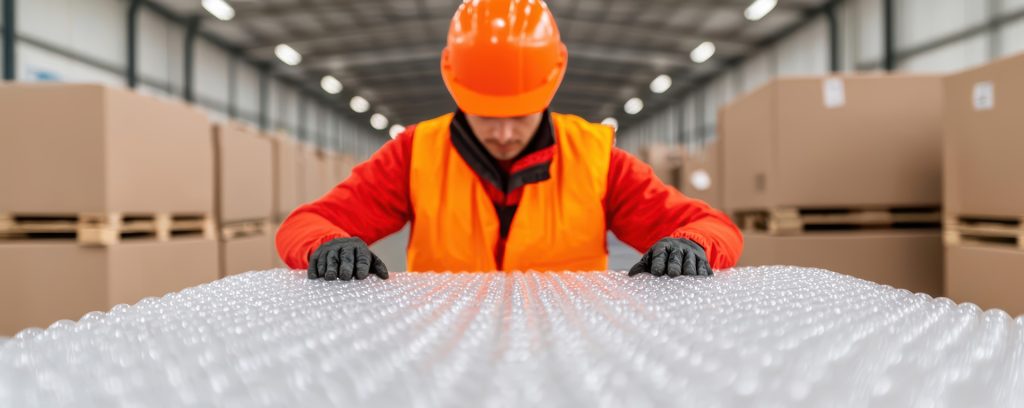
Pallet wrap keeps loads stable, reduces shifting, and helps protect from dust and moisture. Bubble wrap cushions and protects surfaces—simple, effective, and still a classic for a reason.

Whether you’re shipping to consumers or trade customers, packaging communicates something. A well-packed item says:
“We care, we’re reliable, and we know what we’re doing.”
Add Printed Packaging Tape, clean labelling, and consistent carton quality, and you’ve got packaging doing marketing work without even trying.
If you want practical guidance on packaging responsibilities and sustainability expectations in the UK, these are useful reads:
When you’re moving products daily, responsiveness matters. Working with a local supplier in Manchester and the surrounding areas can help you:
That’s where a specialist like Advanced Protective Packaging fits in—supplying protective packaging materials and helping businesses choose solutions that make sense for their products and shipping realities.
Usually, movement inside the carton, weak external protection, or insufficient sealing. Using correctly sized boxes, proper void fill, and strong tape solves a lot.
When the product is fragile, high-value, irregularly shaped, or needs repeatable protection (especially for frequent shipments).
If brand visibility and tamper deterrence matter to you—yes. It also helps identify your cartons quickly in busy warehouses.
Any time your product changes, your courier changes, your damage rate creeps up, or your shipping volumes shift. A quick review can save a lot of money.
From factory handling to last-mile delivery, packaging is doing the heavy lifting behind the scenes. The right mix of corrugated boxes, foam protection, bubble wrap, pallet wrap, and Protective Packaging Tape helps reduce damage, keep shipments secure, and protect your reputation—one delivery at a time.
If you’re in Manchester or the surrounding areas and want packaging that actually stands up to real-world shipping, contact Advanced Protective Packaging on 0161 724 8080 or use our contact form to discuss the best protective packaging options for your products.