
Product damage can be costly for any business. When goods arrive scratched, broken or unusable, the expense extends far beyond replacing the product. Refunds, repeat deliveries, additional administration, wasted materials and customer complaints can all affect profitability.
Standard packaging may be suitable for straightforward products, but it does not always provide the precise protection required by fragile, irregularly shaped or high-value items. Too much space can allow movement, while unsuitable cushioning may fail to absorb shocks and vibration during handling and transportation.
At Advanced Protective Packaging, we design tailor-made protective Packaging Solutions for each product. Based in Manchester and supporting customers nationwide, we help businesses protect their goods, reduce avoidable damage and create a more efficient packing process.
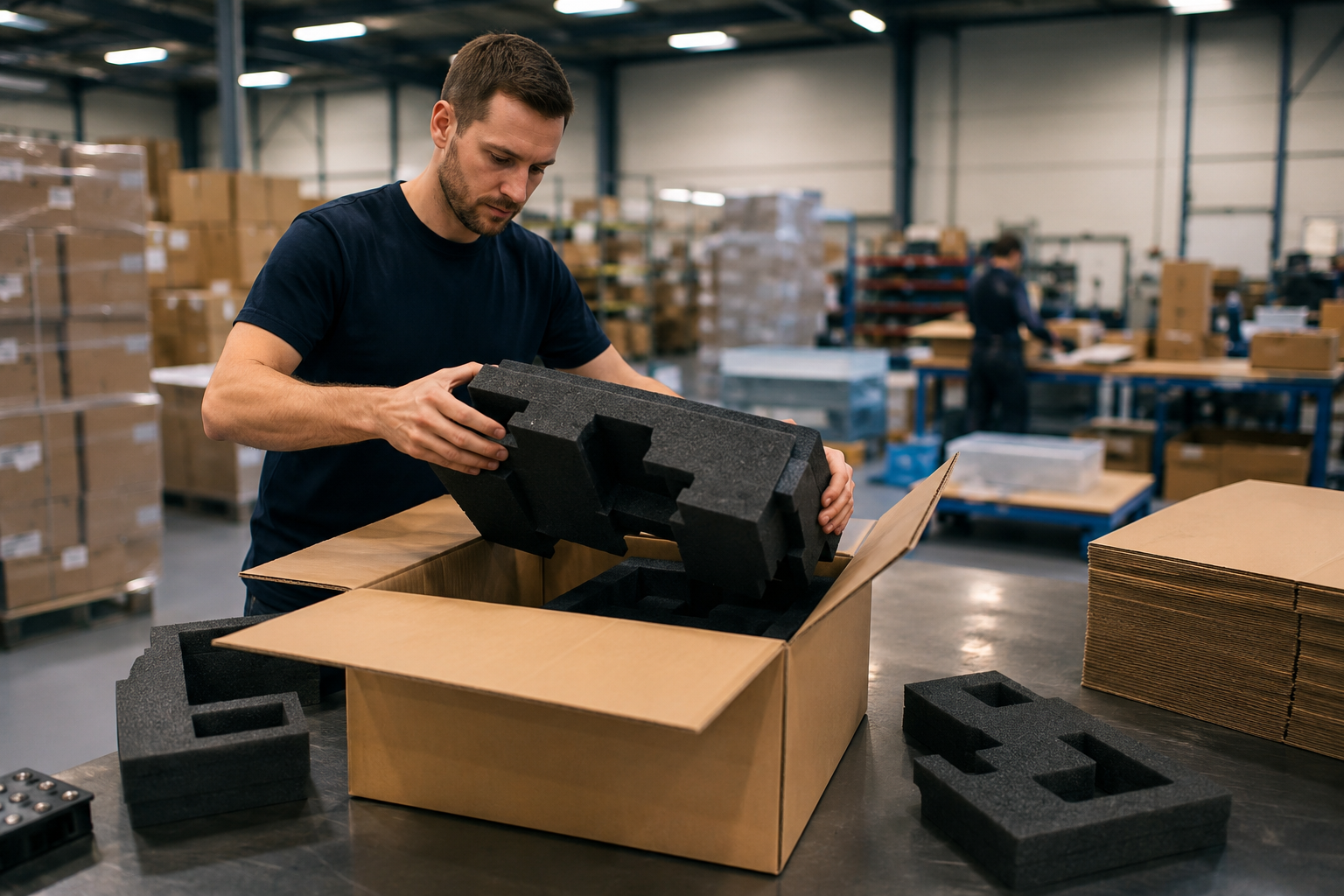
Products can experience numerous risks as they move through a supply chain. Packages may be dropped, knocked, stacked or subjected to vibration during storage, loading and transportation.
Common causes of damage include:
Generic packaging often treats every product in the same way. Tailor-made Packaging Solutions consider the product’s dimensions, weight, fragility, surface finish, and likely journey before selecting the materials and design.
Custom protective packaging is created to fit the product rather than expecting the product to fit an existing box or foam insert.
A precisely designed internal fitment can hold an item in the correct position, restrict unwanted movement and provide cushioning exactly where it is needed. Recesses can be created around components, while vulnerable corners and edges can be reinforced.
This approach can be particularly valuable for electronics, engineering components, medical equipment, automotive parts, glass products, presentation items and other sensitive or valuable goods.
At Advanced Protective Packaging, we assess the product and its handling requirements before recommending a suitable material and design. The outer packaging and internal fitment can also be considered together, helping create a complete solution with the appropriate level of protection.
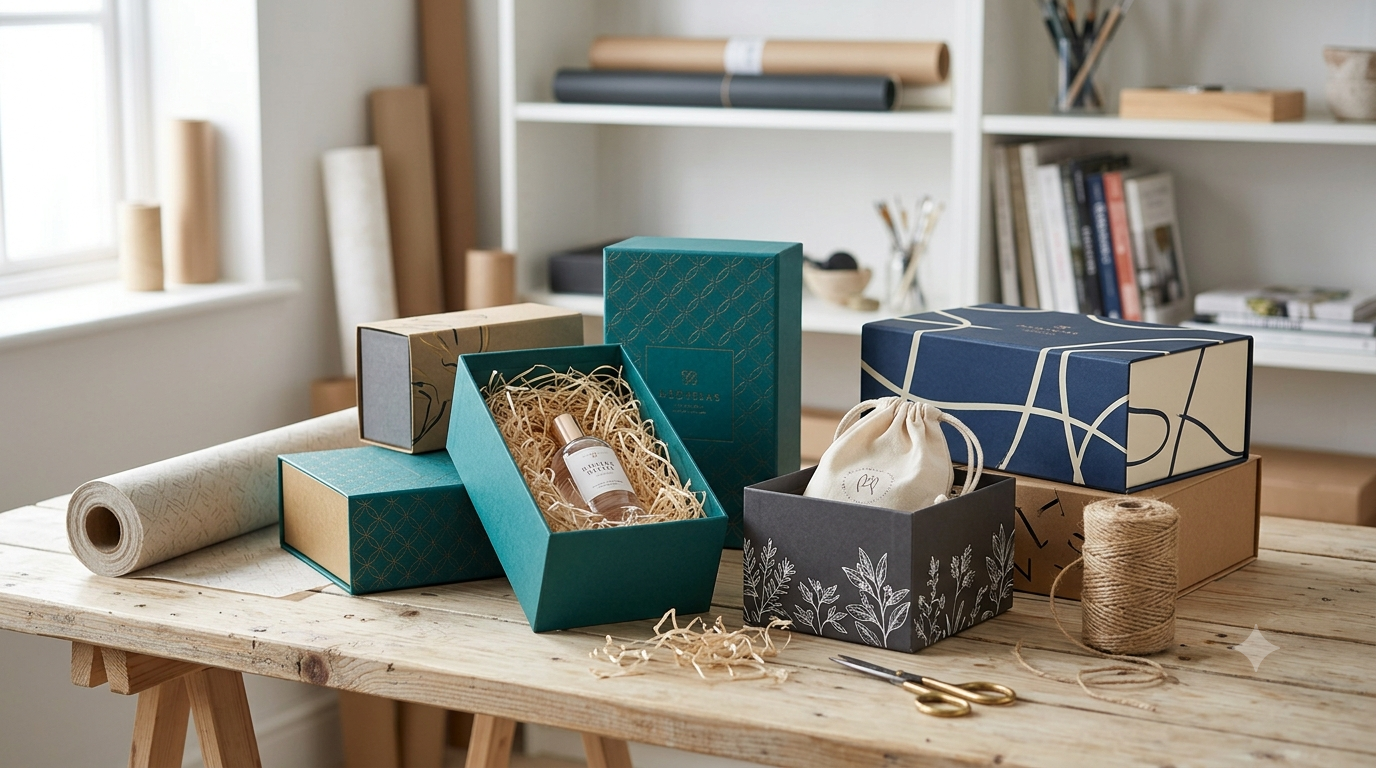
Different products face different risks, which is why we work with several types of protective foam. Each material offers its own balance of cushioning, flexibility, rigidity and durability.
Nomafoam is a resilient polyethylene cushioning foam available in different profiles, densities and shapes. It can be cut, fabricated and shaped to create tailored edge protection, corners and internal fitments.
Its combination of cushioning and flexibility makes it suitable for protecting a wide range of products. Because standard profiles are extruded directly to shape, Nomafoam can also provide a cost-efficient solution with relatively little manufacturing waste.
Polyurethane is generally softer and more compressible, making it well-suited to delicate products that require gentle cushioning. It can conform to irregular shapes and help absorb vibration during transportation.
It is commonly used for sensitive products, electronics, instruments, and presentation packaging, where surface protection and a softer supporting layer are important.
Polystyrene is lightweight but relatively rigid, providing structural support and impact protection. It can be shaped into blocks, end caps and internal fitments that help immobilise products inside their outer packaging.
This makes it useful for larger goods, appliances, glass products and items that require firm support around corners or other vulnerable areas.
Polyethylene is a durable, closed-cell foam with strong cushioning and recovery properties. It is moisture-resistant and provides dependable protection through repeated handling.
Its resilience makes it suitable for engineered components, automotive parts, electronics and returnable transit packaging where the fitment may be used more than once.
When packaging closely supports the product, there is less room for it to move, collide with other items or make contact with the sides of the carton. The right foam can also absorb shocks and reduce vibration.
Reducing damage helps businesses process fewer refunds, replacements, and repeat deliveries. Employees spend less time investigating complaints, arranging collections and preparing replacement orders.
Reliable packaging can also improve the customer experience. Receiving a product safely, cleanly and professionally presented helps reinforce confidence in the business and encourages repeat purchases.
Damaged products create waste at several levels. The original item may need to be discarded or repaired; the packaging may become unusable; and a replacement order may require additional materials and transportation.
Tailor-made Packaging Solutions can reduce this waste by using materials more efficiently. A correctly fitted insert may eliminate the need for excessive loose-fill material or multiple layers of wrapping. Where appropriate, durable foam fitments can also be designed for repeated use.
The objective is not simply to add more packaging. It is to place the correct material in the appropriate areas to achieve the required protection efficiently.
Custom inserts can speed up and standardise the packing process. Employees can immediately see where each product or component should be positioned, reducing guesswork and variation between packages.
A well-designed fitment can also organise multiple parts within a single carton, prevent components from touching, and help warehouse teams identify whether anything is missing before dispatch.
This repeatable process can save time, improve quality control and make packaging costs easier to predict.
The cheapest packaging option does not always deliver the lowest overall cost. Businesses must consider the financial impact of damaged stock, returns, labour, replacement deliveries, wasted materials and dissatisfied customers.
Tailor-made protective packaging represents an investment in preventing those costs. By reducing damage and improving packing efficiency, the right solution can lower the true cost of delivering each product.
It can also help businesses protect high-value goods with greater confidence, maintain consistent presentation and avoid disruption caused by recurring packaging failures.
At Advanced Protective Packaging, we create practical Packaging Solutions for products with a wide range of shapes, sizes and protection requirements.
Whether your project requires Nomafoam, Polyurethane, Polystyrene or Polyethylene, our experienced team can help you select a suitable material and develop packaging tailored to your product.
From our Manchester base, we work with businesses locally and nationwide to minimise product damage, reduce unnecessary waste and keep goods protected throughout storage and transportation.
If product damage, returns or inefficient packaging are increasing your costs, tailor-made protective packaging could provide a more reliable solution.
Get in touch with Advanced Protective Packaging to discuss your next project through our contact form or call our Manchester team on 0161 724 8080.